What Is Outsourcing? Benefits, Risks, and Best Practices
Outsourcing is one of those words you hear constantly in business conversations, but not everyone is clear on what it actually means in practice. If you are a founder trying to scale fast, a marketing leader with a lean team, or an SMB owner looking to cut costs without cutting quality, understanding outsourcing can change how you build and grow your business.
This guide breaks it all down in simple terms. What outsourcing is, why businesses do it, what can go wrong, and how to do it the right way.
What Is Outsourcing?
Outsourcing means hiring an external person, team, or agency to handle work that your internal team would otherwise do. Instead of building every capability in-house, you partner with outside experts for specific tasks or functions.
This could be a startup handing over its social media management to a digital marketing agency. It could be an enterprise company working with an offshore software development firm. It could be a small business owner hiring a freelance accountant to manage their books every month.
The core idea is simple. You focus on what your business does best, and you let specialists handle the rest.
Outsourcing is not a new concept. Large companies have been doing it for decades. But today, with remote work becoming normal and platforms making it easier to find and hire talent globally, outsourcing is accessible to businesses of every size.
Types of Outsourcing
Not all outsourcing looks the same. Here are the most common types you will come across:
Offshore Outsourcing is when you hire talent or agencies in another country, usually to reduce costs. India, the Philippines, and Eastern Europe are popular destinations for this.
Nearshore Outsourcing means working with teams in nearby countries or similar time zones, so collaboration is easier.
Onshore Outsourcing is hiring within your own country but outside your own company. You get local expertise without building an internal team.
Business Process Outsourcing (BPO) covers entire operational functions like customer support, HR, or finance being handed to a third-party provider.
Knowledge Process Outsourcing (KPO) is a step up from BPO and involves outsourcing high-skill knowledge work like research, data analysis, or legal services.
IT Outsourcing is one of the most common forms today. It covers software development, app maintenance, cybersecurity, cloud management, and more.
What Do Businesses Typically Outsource?
Almost any function can be outsourced, but some are more commonly handled by external teams than others:
Content writing and SEO
Graphic design and video production
Software development and QA testing
Customer support and live chat
Accounting and bookkeeping
HR and recruitment
Digital advertising and paid media
Data entry and back-office work
Legal and compliance support
If your team does not have a specific skill set in-house, or if a task is repetitive and time-consuming, it is likely a good candidate for outsourcing.
Benefits of Outsourcing
1. Cost Savings
This is the most talked-about benefit, and for good reason. Hiring a full-time employee comes with salary, benefits, office space, equipment, training, and more. Outsourcing lets you pay for exactly the work you need, often at a lower rate, especially if you are working with talent in countries with lower costs of living.
For a startup or SMB, this can free up a significant amount of budget to reinvest in growth.
2. Access to Specialised Talent
Some skills are hard to find locally. Some are expensive to hire full-time. Outsourcing gives you access to experienced professionals and agencies that have spent years building expertise in one specific area.
You get the quality of a specialist without the overhead of keeping one on your payroll permanently.
3. Faster Execution
An experienced agency or freelancer can often deliver faster than an in-house team that is learning on the job. They have done this work before. They have processes in place. They can hit the ground running.
This is especially valuable when you need to move quickly, whether that is launching a campaign, building an MVP, or responding to a business need.
4. Scalability
Outsourcing makes it easier to scale up or down based on demand. Need more content during a product launch? Add resources temporarily. Business slows down? Reduce the workload without the complexity of layoffs.
This flexibility is hard to achieve with an in-house team and is one of the biggest reasons growing companies lean on outsourcing.
5. Focus on Core Business
When your internal team is not busy with tasks outside their core skill set, they can put more energy into the work that actually drives your business forward. Outsourcing the non-core work means your people spend time where it matters most.
6. Round-the-Clock Operations
If you work with teams across different time zones, your business can effectively operate 24 hours a day. Customer queries get answered while you sleep. Development work moves forward overnight. This kind of continuous output is difficult to replicate with a single in-house team.
Risks of Outsourcing
Outsourcing is not without its challenges. Understanding what can go wrong helps you avoid the most common mistakes.
1. Quality Control Issues
When work happens outside your walls, maintaining quality standards gets harder. If expectations are not clearly set from the beginning, you may end up with deliverables that do not meet your standards and back-and-forth revisions that eat into time and budget.
2. Communication Gaps
Working across time zones, languages, and cultures introduces friction. A simple misunderstanding can result in work going in the wrong direction for days. Poor communication is one of the top reasons outsourcing relationships fail.
3. Data Security and Confidentiality Risks
Sharing sensitive business information, customer data, or intellectual property with a third party always carries some risk. Without proper agreements and data handling processes in place, you are exposed.
4. Overdependence on External Partners
If your business becomes too reliant on one outsourcing partner and that relationship breaks down, you can be left without critical capabilities at short notice. This is a risk many businesses overlook until it becomes a real problem.
5. Hidden Costs
What starts as a cost-saving move can get expensive if not managed properly. Revisions, miscommunications, contract disputes, and the cost of switching vendors can add up quickly.
6. Cultural and Time Zone Misalignment
Different working styles, holidays, and business cultures can slow things down. What feels urgent on your end may not be treated that way on theirs.
7. Loss of Institutional Knowledge
When work is entirely outsourced, the knowledge and understanding of how things are done lives outside your organisation. If the vendor leaves or the contract ends, you may find your team struggling to take over.
Best Practices for Outsourcing
Getting outsourcing right is not just about finding a cheap vendor. It is about treating it like a proper business relationship with clear structure, honest communication, and mutual accountability.
Define What You Need Before You Start
Be specific about the scope of work, expected outcomes, timelines, and quality standards before you approach any vendor. Vague briefs lead to vague results. The more clearly you define the work, the better your chances of getting exactly what you want.
Choose the Right Partner, Not Just the Cheapest One
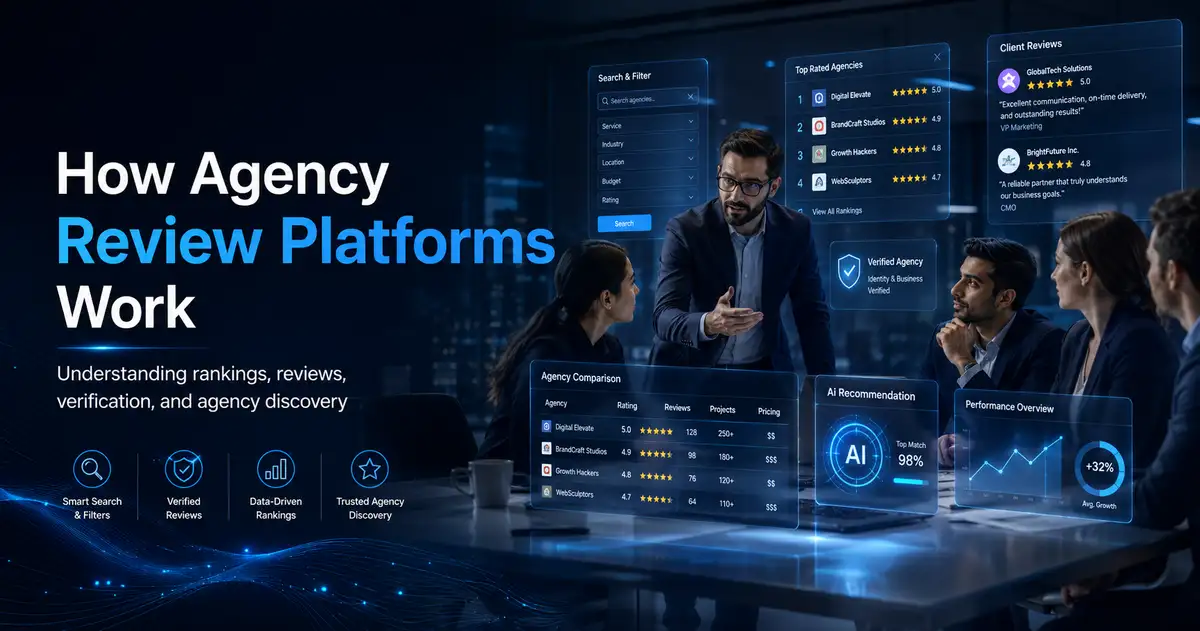
The lowest quote is not always the best value. Look at past work, client reviews, industry experience, and how well the vendor communicates during the evaluation stage. Platforms like Gofirms can help you find verified agencies with real reviews, so you are not flying blind.
When reviewing agency profiles and rankings, take note of industries they have worked in, their team size, and what past clients have said about working with them.
Start With a Small Project
Before committing to a large engagement, test the relationship with a smaller piece of work. This lets you evaluate quality, communication, and reliability without too much at stake. Think of it as an interview, but with real output.
Set Clear Expectations in Writing
Document everything. Scope, deliverables, deadlines, revision limits, payment terms, and what happens if things go wrong. A proper contract protects both sides and removes ambiguity.
Build in Regular Check-ins
Do not set work in motion and disappear. Schedule regular reviews and check-ins to track progress, give feedback, and address problems before they grow. Treating your outsourcing partner as a one-time transactional vendor rather than a working relationship is one of the most common mistakes buyers make.
Protect Your Data
Before sharing any sensitive business information, make sure you have non-disclosure agreements (NDAs) in place. Understand where your data will be stored and who will have access to it. Ask these questions early, not after a problem occurs.
Plan for Knowledge Transfer
Build in a process for documenting work, processes, and decisions so that institutional knowledge does not sit entirely with your external partner. This is especially important for long-term engagements.
Outsourcing vs In-House: How to Decide
The right answer depends on your business and the specific function you are thinking about. Here is a simple way to think about it:
Outsource when the work is specialised, time-bound, or not your core business. Outsource when the cost of hiring full-time outweighs the benefit. Outsource when speed matters more than ownership.
Keep in-house when the function is central to your competitive advantage. Keep in-house when deep institutional knowledge is required. Keep in-house when security and confidentiality risks are too high to manage externally.
For many businesses, the smartest approach is a hybrid model. Core functions stay internal while supporting functions are handled by trusted external partners.
Who Should Consider Outsourcing?
Founders and Startups often need to move fast with limited resources. Outsourcing gives you access to capabilities you cannot afford to hire full-time and lets you stay lean while still getting professional quality work done.
Marketing Leaders working with small internal teams can extend their reach significantly by outsourcing content creation, paid media management, or design work to specialist agencies.
SMB Owners can use outsourcing to access enterprise-level expertise without enterprise-level budgets. Whether it is IT support, accounting, or HR, there is an experienced partner out there for most business functions.
Enterprise Buyers use outsourcing strategically, often through large-scale BPO or IT partnerships, to manage costs and improve operational efficiency across divisions.
Agencies and Freelancers sometimes outsource parts of client work themselves, such as white-labelling services or bringing in specialist contractors for projects outside their core offering.
Conclusion
Outsourcing, when done right, gives your business a real competitive edge. It helps you move faster, access better talent, manage costs, and stay focused on what you do best. But it also requires thought, planning, and the right partners to truly deliver results.
If you are ready to explore outsourcing for your business, start by identifying the right service providers for your needs. On Gofirms, you can browse verified agency listings, read real client reviews, and use our hiring guides to make confident decisions. Whether you are looking for a digital marketing agency, a software development partner, or any other B2B service, finding the right fit is easier when you have the right platform behind you.